
Fethard Medieval Walls Walking Guide
Complete circuit of Fethard's 13th-century ramparts. We'll cover the best sections and what to look for.
Read Guide
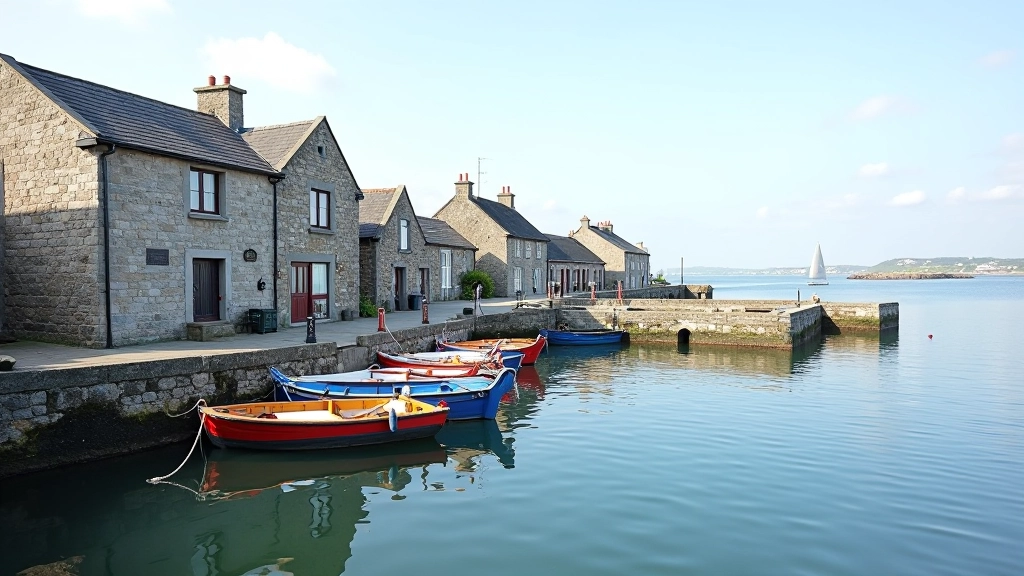
Dunmore East's quay loop is a gem for walking. It's a 2.8-kilometre circuit that takes roughly 45 minutes at a comfortable pace, following the working harbour and historic waterfront. The route combines maritime heritage with genuine coastal scenery—fishing boats, stone quays, and sea breezes included. You'll see how this village has thrived as a fishing port since medieval times.
What makes this walk special is the accessibility. Paths are mostly flat with good underfoot conditions, and there's plenty to pause and look at along the way. It's perfect if you're after a genuine maritime experience without the long-distance commitment. The loop takes you past working fishing operations, historical landmarks, and viewpoints that really capture the character of this Waterford coast.
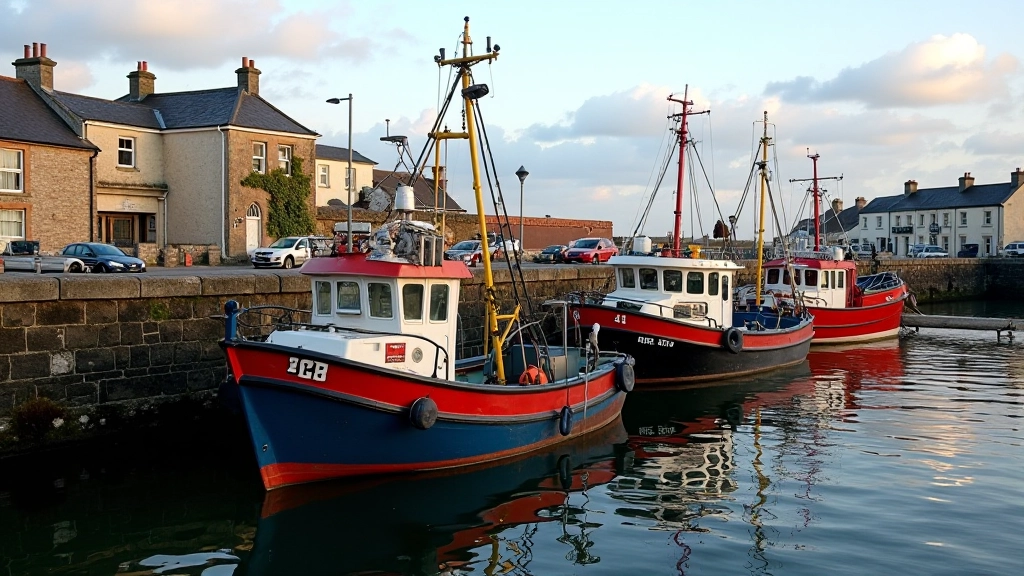
The walk begins right at Dunmore East's main quay, where you'll find ample parking and facilities. This is where the energy of the village comes alive. Fishing trawlers come and go throughout the day, unloading their catch at the processing plants. There's genuine activity here—not staged tourism, just working boats and the people who depend on them.
From the main pier, you'll head west along the waterfront. The path is well-maintained and easy underfoot. You're walking past working areas, so you'll see fishing operations, rope storage, and net repair sheds. It's authentic maritime heritage. After about 500 metres, the path curves away from the immediate harbour area and starts offering different perspectives of the coast. You'll notice the rhythm of the fishing village—quiet mornings, busy afternoons when boats return.
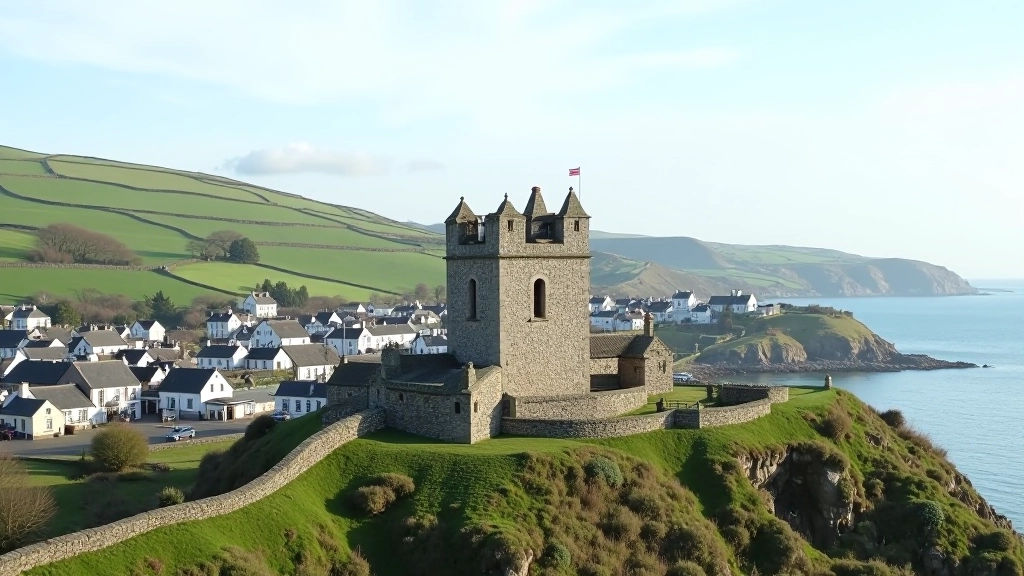
Dunmore East isn't just a modern fishing village—it's built on medieval foundations. The village dates back to the 13th century, when it was already an important harbour for merchant ships. You'll see this history woven throughout the walk. The church tower that overlooks the quay has stood for centuries, watching over generations of fishermen and traders.
The quay itself was substantially developed in the 1800s, when fishing became the primary industry. Stone walls and structures from that era remain, now weathered by salt spray and decades of use. They're not museum pieces—they're still working parts of an active fishing port. That's what makes this walk different. You're not seeing heritage frozen in time. You're seeing it still being used, still serving the community that built it.
As you walk, look for plaques and markers that explain the village's history. There's a maritime museum near the main quay if you want to go deeper into the stories behind these buildings and boats.
Walk west from the main quay along the waterfront path. This 700-metre section shows you the active fishing side of Dunmore. You'll pass fish processing buildings, boat repair yards, and storage facilities. The path is paved and easy. There's a small viewing area about halfway along where you can stop and watch the water.
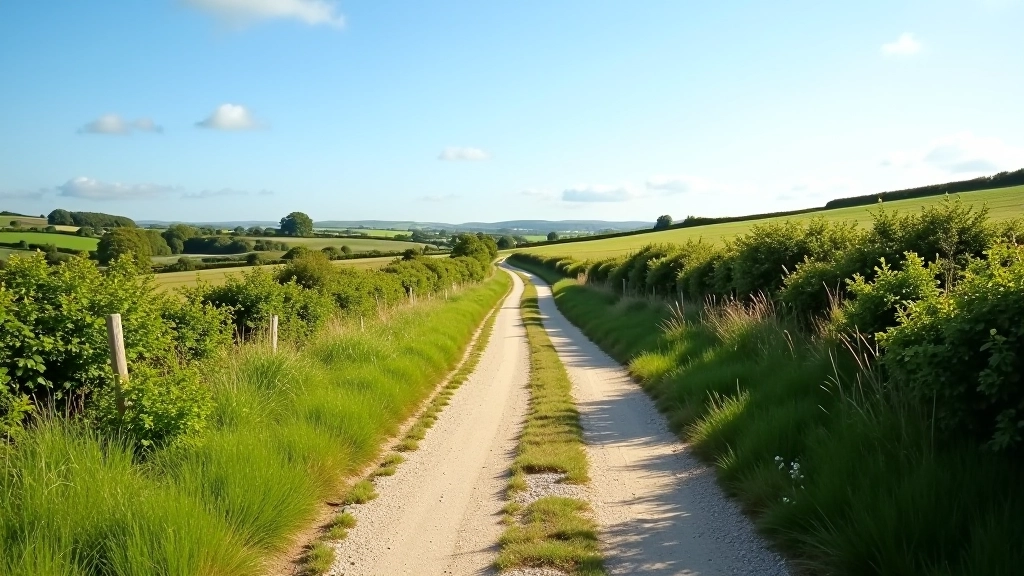
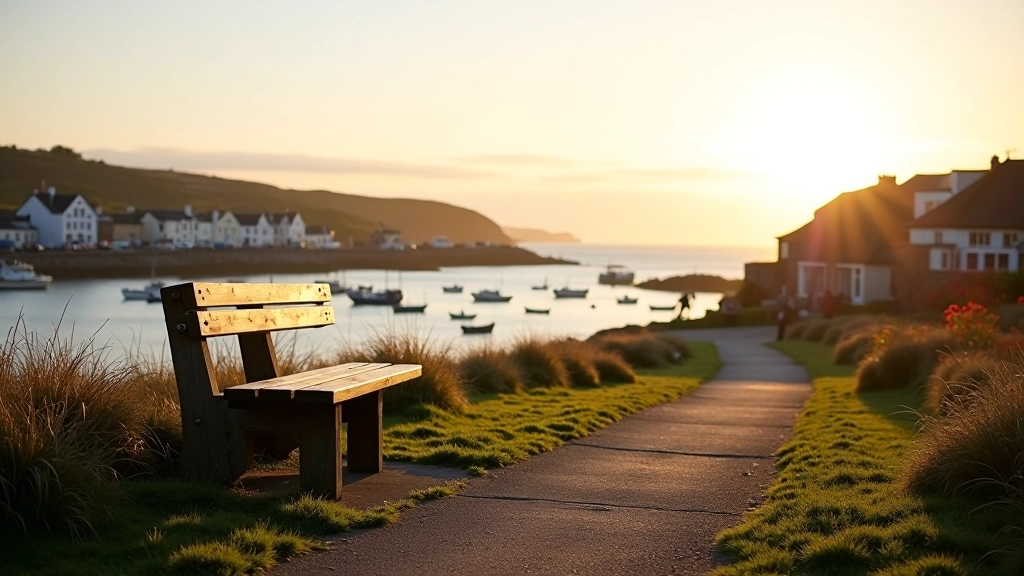
From the western point, the path curves inland slightly and becomes a compacted gravel track. This section winds through coastal scrubland and offers views across the harbour. It's about 800 metres of gently undulating terrain. The vegetation changes as you move away from the immediate harbour—you'll see gorse and sea grasses. This is where you really feel the coastal character.
The final section brings you back through quieter village streets and past local shops and pubs. This roughly 600-metre stretch is paved throughout. You'll pass the church and some traditional village buildings before returning to the main quay. It's a nice contrast to the harbour-focused first half of the walk.
The quay is busiest in the late afternoon when fishing boats return with the day's catch. If you prefer quieter walking, come in the morning or mid-afternoon. Spring and early autumn offer the best weather—it's less windy than winter and the paths are clear. Summer's fine too, though the village attracts more visitors during peak tourist season.
Wear proper walking shoes with good grip—the quay areas can be damp and slippery. Bring layers because coastal wind can pick up quickly, even on calm days. A waterproof jacket is sensible year-round. Sun protection matters too, as there's limited shade on parts of the route. Water and a small snack are worthwhile, though you're never far from the village facilities.
The main quay has accessible parking and toilet facilities. Most of the walking route is suitable for people with mobility concerns—it's mostly flat and well-maintained. The only slightly rougher section is the middle coastal path, which is compacted gravel but not steep. If you need to take breaks, there are benches at viewing points and the route is easy to shorten if needed.
This information is provided for general guidance. Weather conditions, path maintenance, and harbour operations can change. Always check current local conditions before heading out. Dunmore East is an active fishing port—respect working areas and don't obstruct fishing operations or vehicles. The quay areas can be slippery when wet. Wear appropriate footwear and stay alert to your surroundings. If you have mobility concerns, check with local visitor information for the most up-to-date accessibility details.
Dunmore East's quay loop isn't a polished tourist attraction. It's a working village where people make their living from the sea, and you're walking through that reality. The heritage here isn't in museums—it's in the buildings people use daily, the boats that still work the water, and the traditions that have sustained this community for centuries.
The walk is manageable, accessible, and genuinely rewarding. You'll get a real sense of Irish maritime culture without needing serious fitness or hiking experience. It's the kind of walk that sticks with you—not because of dramatic scenery, but because you've seen something authentic.
If you're exploring the Waterford coast or interested in Ireland's fishing heritage, this loop deserves your time. Plan for about an hour, bring weather-appropriate gear, and let the working rhythm of the harbour set your pace. You'll understand why people have made their lives here for 700 years.